Featured
Table of Contents
When services focus heavily on volume and sales velocity without equivalent attention to the client experience after the sale, it produces a disconnect. Customers feel like a number rather of a concern. Transformation begins much earlier than many people understand: It begins in marketing It continues through the sales procedure And it's enhanced through how clients are invited, supported, and assisted For higher-ticket offers, particularly, some level of personal connection during the sales procedure is ending up being progressively essential once again.
Group details sessions, behind-the-scenes walkthroughs, and chances to ask questions live can offer clarity and self-confidence without frustrating your capacity. As we progress, organizations that develop their deals and delivery around real improvement will stand apart in a crowded market. Another trend that will continue to acquire traction is the requirement for properly designed gateway deals.
Not just in you, but in themselves and their ability to follow through and get outcomes. An entrance deal allows them to do precisely that.
Entrance provides a more steady, trust-based path into much deeper work, and they support healthier long-term growth. The age of overcomplicated funnels is continuing to wind down. Buyers are tired of long, complicated sequences that feel inauthentic or manipulative. Easier circulations are becoming more reliable, but with one essential shift: customization and division matter more than ever.
When you can customize messaging, content, and next steps based on somebody's objectives, choices, and phase of awareness, the experience feels supportive rather of frustrating. Organizations that invest the time to design individualized journeys will see higher engagement and more powerful conversion, even with simpler general systems.
Leveraging New AI to Optimize Enterprise Growth
Business and leaders who prosper will be the ones who comprehend how all the pieces mesh. They can examine context, recognize what matters most, and make choices aligned with long-term objectives instead of short-term responses. Execution alone is becoming simpler to change. Strategic thinking is not. This shift affects team functions, pricing, and how competence is positioned in the market.
Business owners and leaders deal with pressure as new rivals transform markets nearly overnight. This post delivers 7 shown, actionable development methods for company that drive genuine results in today's unpredictable environment.
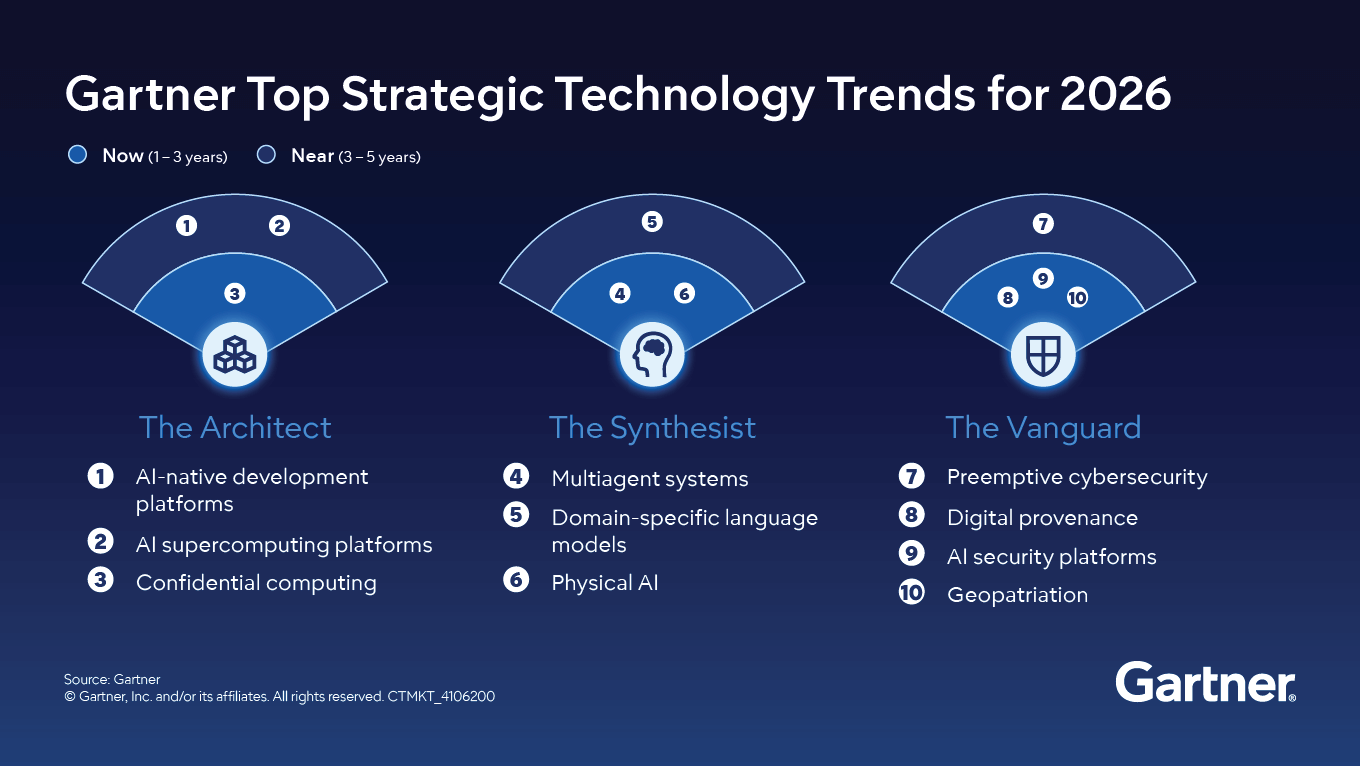
Business leaders must adjust rapidly or risk being left behind. Development strategies for organization in 2026 are formed by synthetic intelligence adoption, standardized remote work, and moving supply chains.
Does Predictive AI Redefine Your Sales Strategy?
Digital-first experiences are obligatory, and consumers require seamless customization., dexterity and versatility are now essential for organizations pursuing sustainable growth.
Rising costs and market fragmentation include complexity, especially in medical and home services sectors. These industries battle with operational inefficiencies and stalled growth, frequently due to outdated procedures or absence of digital integration.

Overcoming these challenges requires a disciplined, evidence-based technique. No single service warranties success. Companies depending on just one technique frequently fail, while those embracing multiple approaches exceed peers. Research study reveals that combining market growth with functional effectiveness yields extraordinary results. Businesses that diversified into brand-new markets while streamlining internal operations regularly surpassed competitors.
Why Automated B2B Workflows Drive ROIWhy AI-Driven Marketing Workflows Drive ROI
Effective organizations track development and change techniques based upon real-world outcomes rather than presumptions. Execution is the real differentiator. Lots of organizations develop ambitious plans, however just those concentrating on real-world implementation accomplish sustainable development. The player-coach design, championed by Accountability Now, exemplifies hands-on management and accountability. Instead of counting on vague suggestions, companies need actionable methods and clear ownership.
The most effective companies deploy methods that are actionable, quantifiable, and shown in real-world circumstances. In 2026, market penetration means deepening relationships with existing clients.
Leading companies take advantage of data to produce advanced client segmentation, allowing customized offers and targeted commitment programs. Starbucks continues to win by integrating benefits with mobile purchasing, developing smooth and personalized experiences. Companies using data-driven personalization report over 20 percent greater repeat sales, demonstrating the power of this approach. Medical practices see results by carrying out automatic client follow-ups.
Future-Proofing Your Enterprise to Global Growth
Common pitfalls consist of over-automation, which can make interactions feel impersonal, and neglecting consumer feedback. To avoid these, frequently evaluation customer information and execute feedback loops.
Why Automated B2B Workflows Drive ROIBusiness that consistently develop their products and services stay ahead of shifting consumer needs and competitors. Tesla exemplifies iterative advancement, often updating vehicle features based upon user feedback. Google expanded far beyond search by launching AdWords, transforming digital marketing permanently. Collecting continuous consumer feedback, rapid prototyping and minimum viable item (MVP) launches, and regularly tracking market patterns through information analysis.
With 60 percent of 2026 growth projected from brand-new offerings, the vital is clear. Avoid development for its own sake; focus on worth production and real client effect.
This dynamic approach spreads danger and opens new earnings streams. Netflix's worldwide rollout is a masterclass in adjusting content for varied audiences. Coca-Cola prospers by localizing items to satisfy regional tastes and cultural choices. Identifying high-potential markets starts with data. Look for underserved sections or regions with unmet requirements and growing buying power.

Latest Posts
Preparing Digital Architecture to Meet AI Search Requirements
Enhancing Scalability with Microservices Integration
Improving Digital Interfaces through Decoupled Design